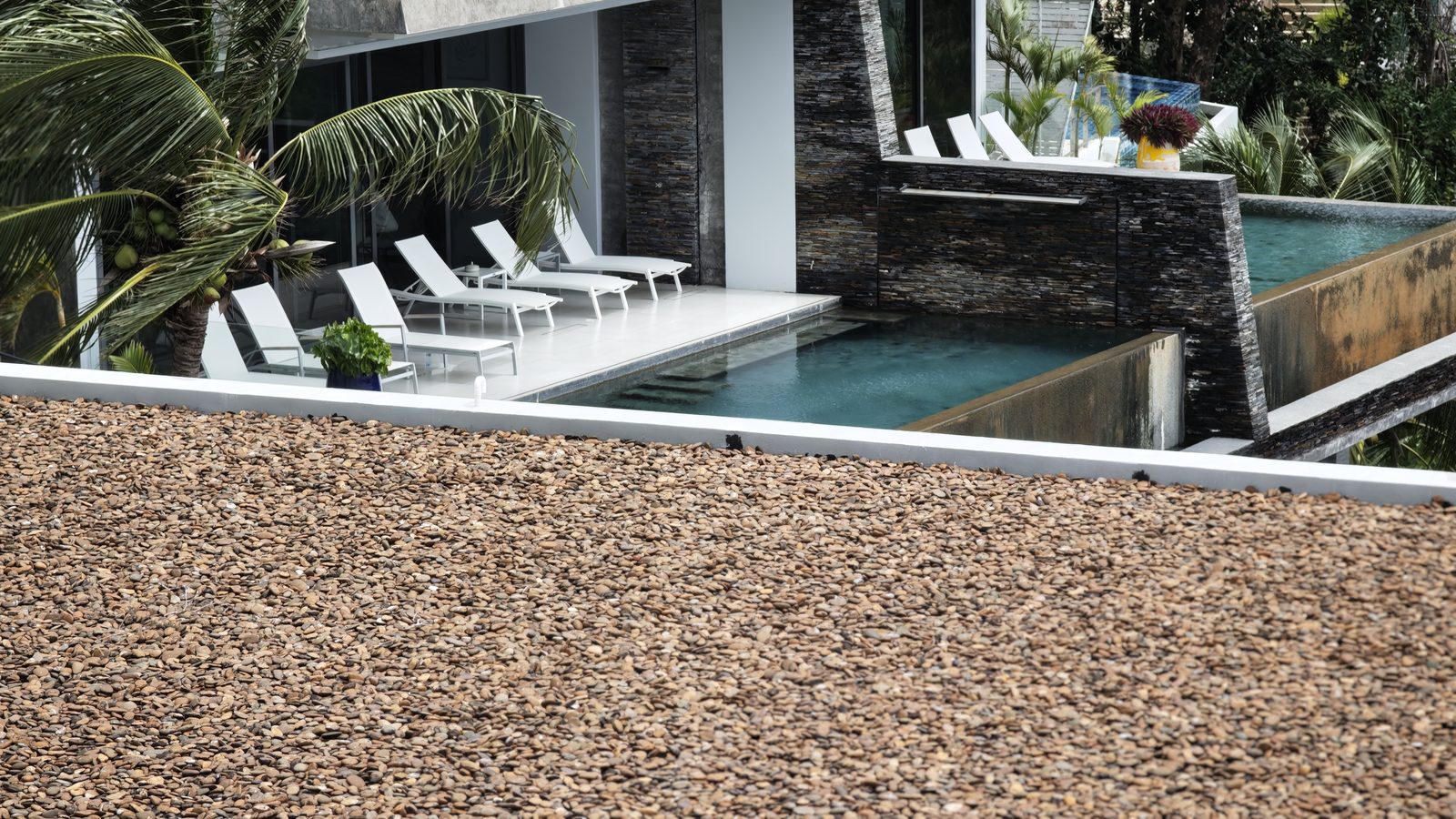
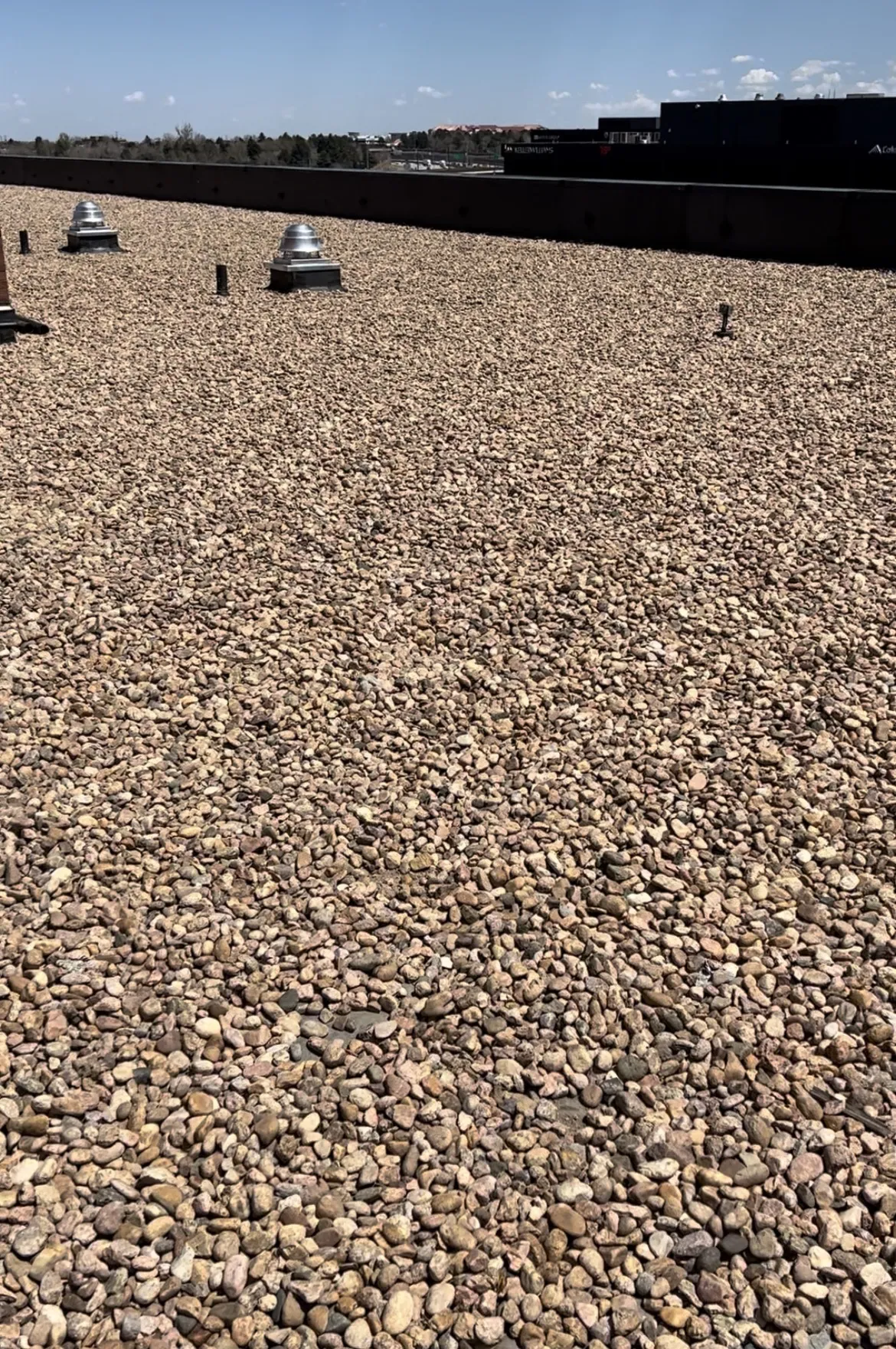
A ballasted roof is a flat or low-slope roof whose membrane is held in place by the weight of loose stone, gravel, or pavers instead of fasteners or adhesive. Many ballasted roofs can be restored with a coating, but the ballast has to be removed first, the membrane underneath has to be inspected and repaired, and the roof’s wind uplift design has to be addressed once the weight is gone.
This guide explains how ballasted roofs work, how to evaluate one, and what restoration involves for commercial building owners in Colorado.
What Is a Ballasted Roof?
There are two common types you may hear called “ballasted” or “gravel” roofs:
- Ballasted single-ply roofs: A loose-laid membrane, often EPDM, is held down by river rock or pavers. The stone provides resistance to wind uplift.
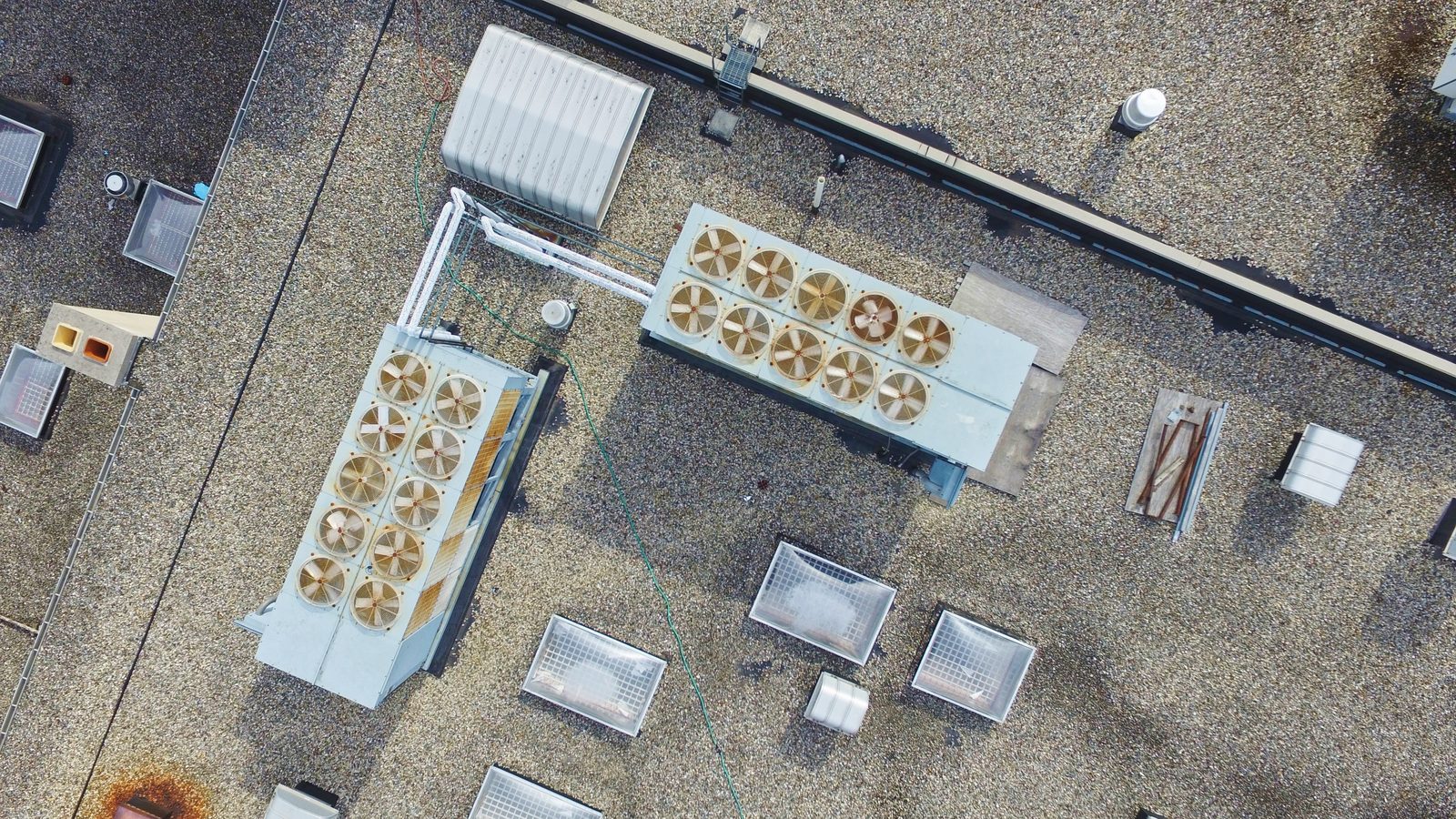
- Built-up roofs (BUR) with gravel surfacing: Layers of bitumen and felts are topped with gravel embedded in a flood coat. Here the gravel protects the surface from UV and impact rather than holding the roof down.
Knowing which type you have matters, because the approach to restoration is different.
Benefits and Drawbacks of Ballasted Roofs
| Benefits | Drawbacks |
|---|---|
| Fast to install originally, with fewer fasteners | Membrane is hidden, so problems are hard to see |
| Ballast shields the membrane from UV | Leaks are hard to trace under stone |
| Adds some protection from hail impact | Added weight on the structure |
| Stone can be reused or recycled | Gravel can scour membranes in high wind or block drains |
How to Inspect a Ballasted Roof
Because the membrane is covered, a ballasted roof needs a more careful inspection:
- Check for displaced stone. Bare areas expose the membrane to UV and can reduce uplift resistance.
- Look at drains and scuppers. Gravel and sediment often collect here and cause ponding.
- Inspect flashings and edges, which are usually not covered by ballast and show wear first.
- Move ballast in test areas to see the membrane condition underneath.
- Use a moisture survey. Infrared scanning can be harder through ballast, so core samples are often used.
Our roof inspection page explains what a professional assessment includes. For a general list, see our commercial roof inspection checklist.
Can You Coat a Ballasted Roof?
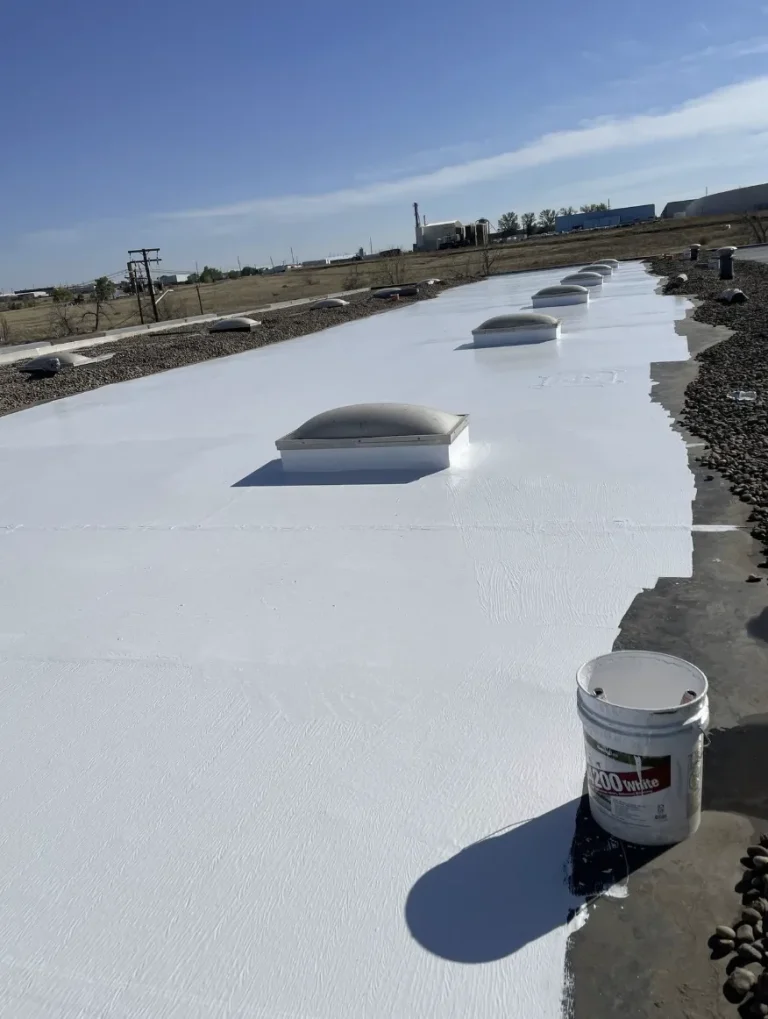
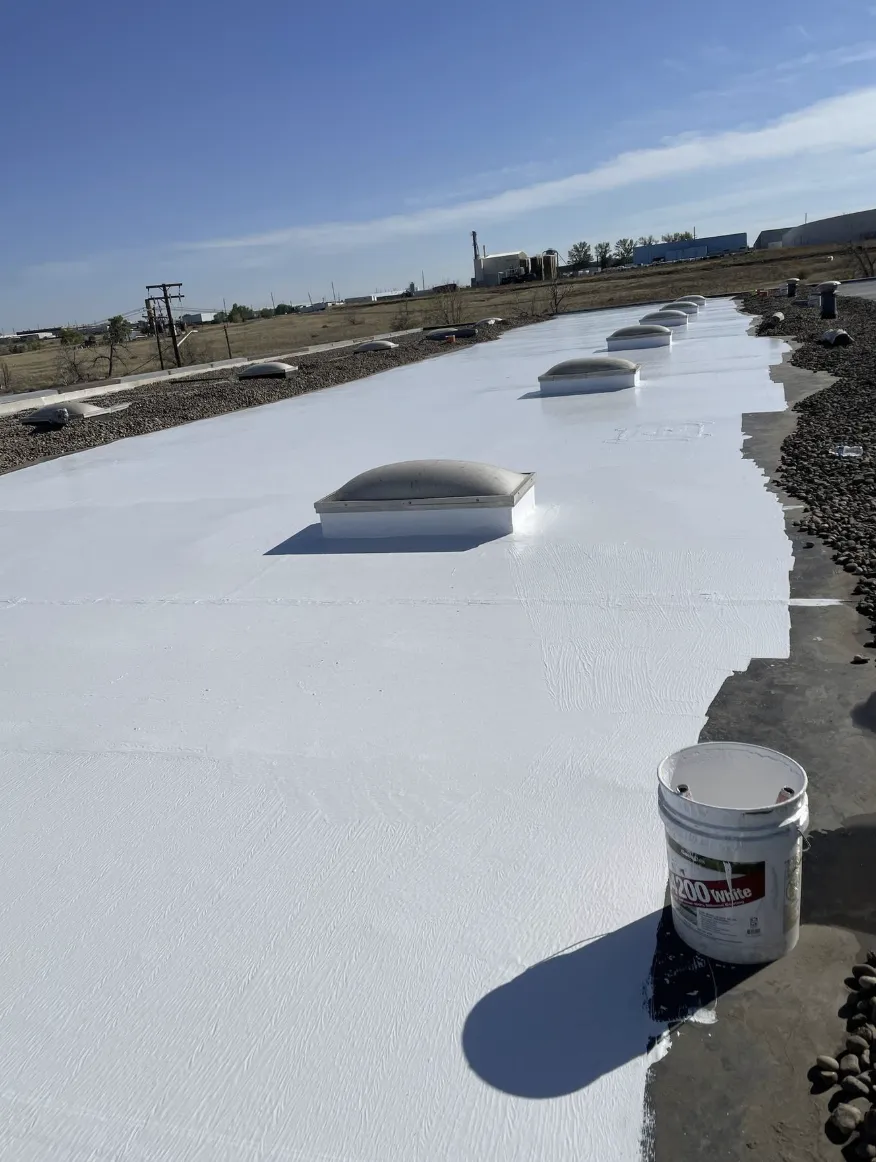
Often yes, but not over the stone. A typical restoration path looks like this:
- Remove the ballast. Stone is vacuumed or moved off the roof.
- Clean the membrane to remove dirt and sediment.
- Survey for moisture and replace wet insulation.
- Address attachment. Without ballast, a loose-laid membrane needs another way to resist wind uplift, such as mechanical fastening or adhesion. This must be engineered to the roof’s requirements.
- Repair seams and flashings.
- Prime if the membrane requires it for coating adhesion.
- Apply the coating at the manufacturer’s specified thickness.
For gravel-surfaced built-up roofs, loose gravel is removed, and the surface is prepared with cleaning and repairs before a compatible primer and coating. See modified bitumen and BUR coating and EPDM roof coating for more on these substrates.
When Is a Ballasted Roof Not a Coating Candidate?
- Large areas of saturated insulation.
- A membrane that has shrunk, split, or deteriorated widely.
- Structural concerns with the deck.
- When the required uplift attachment cannot be achieved cost-effectively.
In these cases, replacement may make more sense. Read our guide on roof coating vs replacement.
Colorado Considerations for Ballasted Roofs
Colorado’s strong winds along the Front Range, frequent hail, and freeze-thaw cycles all affect ballasted roofs:
- Wind can shift ballast and expose membrane, especially at corners and edges.
- Hail is a real concern statewide. NOAA notes Colorado is among the states that usually have the most hailstorms (NOAA NSSL). Once ballast is removed for coating, the new surface becomes the first line of defense.
- Freeze-thaw can push water deeper into hidden defects under stone.
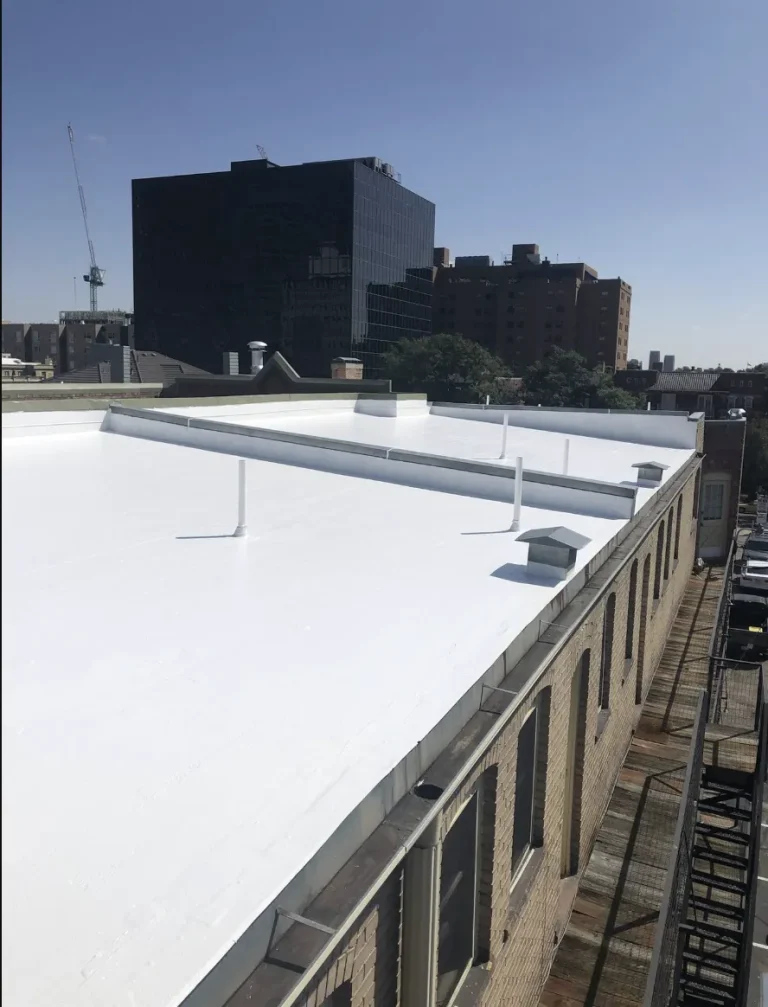
- Energy: Removing dark gravel and adding a reflective coating creates a cool roof surface. The EPA explains that high solar reflectance is the key to how well a cool roof reflects heat (EPA).
Colorado Roof Coating Company’s experience with ballasted roof conversions: FACT NEEDED: CRCC ballasted roof project experience – Lorem ipsum dolor sit amet.
Questions to Ask Before Restoring a Ballasted Roof
- What is the membrane type and condition under the ballast, and how was it checked?
- How will the ballast be removed and where will it go? Some stone can be reused or recycled.
- How will wind uplift be handled once the weight is gone, and is that engineered for this building?
- How much insulation is wet, based on core samples or a survey?
- Which coating and primer are compatible with the membrane?
- What drainage changes are recommended now that the ballast no longer holds water near drains?
- What warranty applies and what maintenance does it require?
Getting these answers in writing helps you compare proposals on the same scope and avoid surprises once the stone is off the roof.
Maintaining a Restored Ballasted Roof
Once ballast is removed and the roof is coated, the surface is visible and easier to maintain. Plan inspections each spring and fall and after significant hail, keep drains clear, and add walkway pads where technicians service rooftop equipment. Prompt repair of punctures keeps the new coating performing as designed.
Frequently Asked Questions
What is a ballasted roof?
It is a flat roof where the membrane is held in place by the weight of stone, gravel, or pavers rather than fasteners or adhesive.
Can you put a coating over a gravel roof?
Not directly over loose gravel. The ballast or loose gravel is removed, the roof is cleaned and repaired, and then a compatible primer and coating are applied.
How do you find a leak on a ballasted roof?
Start at flashings, drains, and penetrations. Then move ballast in suspect areas and use core samples or moisture surveys to locate wet insulation.
Is a ballasted roof good for hail?
Ballast can help shield the membrane from impact, but it does not make the roof immune. Hidden damage is harder to spot, so post-storm inspections still matter.
What happens to the wind rating when ballast is removed?
The membrane loses the weight that held it down, so it needs another engineered attachment method before or during restoration.
The Bottom Line
A ballasted roof can often be restored, but it takes ballast removal, a careful moisture and membrane assessment, and a plan for wind uplift. Done right, restoration can turn a hidden, hard-to-maintain roof into a visible, reflective surface.
Have a gravel or ballasted roof? Request a Free Roof Assessment and we will evaluate whether it is a restoration candidate. Learn more about our flat roof coating services.
Cited Sources
- NOAA National Severe Storms Laboratory, “Severe Weather 101: Hail”: https://www.nssl.noaa.gov/education/svrwx101/hail/
- U.S. Environmental Protection Agency, “Using Cool Roofs to Reduce Heat Islands”: https://www.epa.gov/heatislands/using-cool-roofs-reduce-heat-islands
- National Roofing Contractors Association: https://www.nrca.net/