A good commercial roof inspection checklist covers the membrane field, seams, flashings, drains, penetrations, rooftop equipment, the building interior, and your records. For flat roofs and low-slope roofs in Colorado, plan inspections in spring and fall and after significant hail, because small defects grow quickly with freeze-thaw cycles.
Use this checklist to organize routine walks and to know what to ask for in a professional inspection.
Why Regular Roof Inspections Matter
A roof inspection is a low-cost way to catch problems while they are still small repairs. Regular inspections can help you:
- Find leaks early, before water soaks the insulation.
- Keep restoration on the table, since coatings need a sound roof.
- Meet warranty requirements, as many manufacturer warranties expect documented maintenance.
- Plan capital budgets with real condition data instead of surprises.
How Often Should a Commercial Roof Be Inspected?
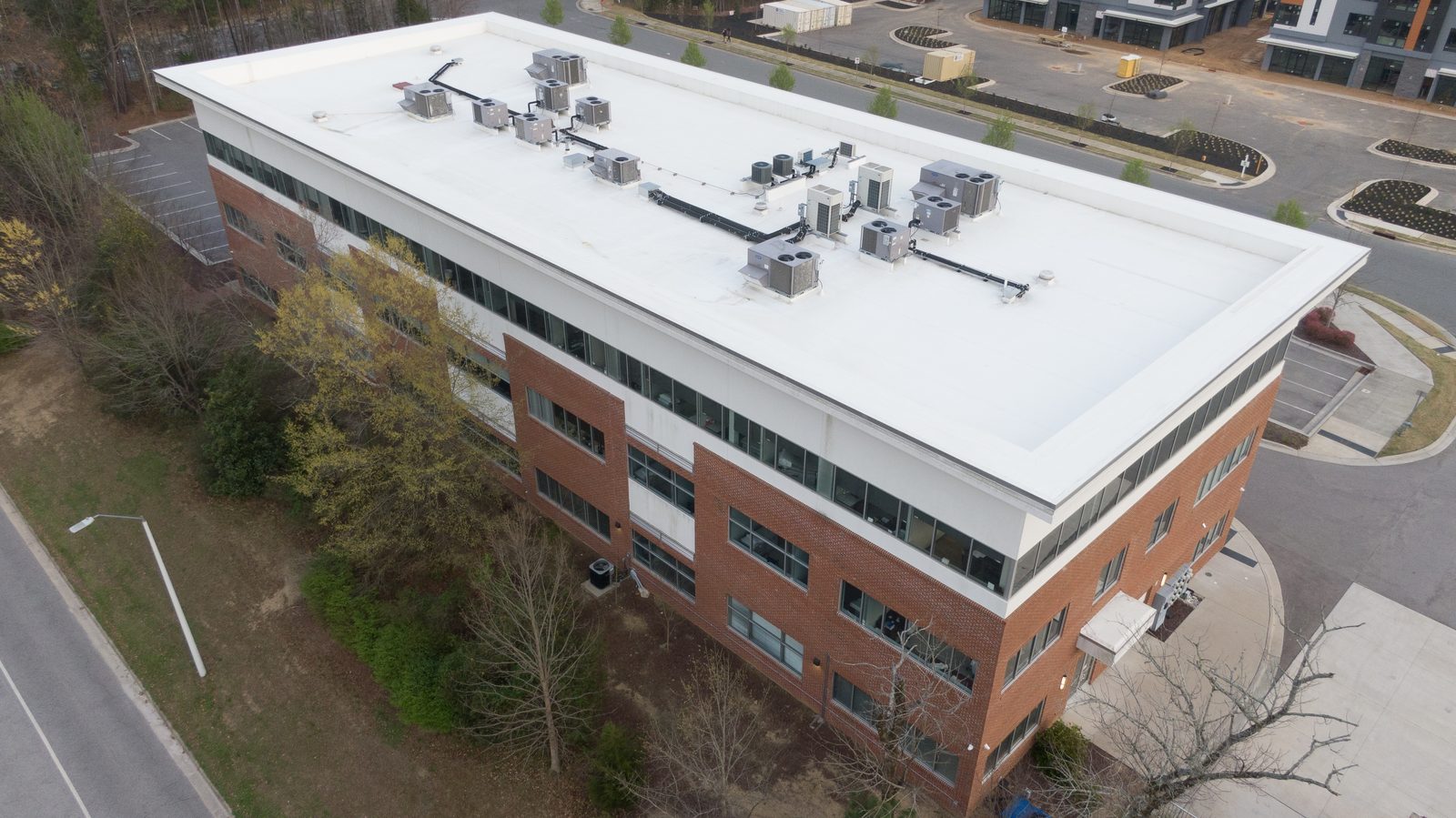
Many roofing professionals recommend at least two inspections per year, usually spring and fall, plus checks after major storms. The National Roofing Contractors Association offers resources for building owners on roof care (NRCA).
In Colorado, after-hail inspections are especially important. NOAA’s National Severe Storms Laboratory notes Colorado is among the states that usually have the most hailstorms (NOAA NSSL).
Safety First
Only qualified people should walk a roof. Use fall protection near edges and skylights, follow OSHA requirements and your company’s safety policy, and never walk a roof that is wet, icy, or visibly sagging. When in doubt, hire a professional.
The Commercial Roof Inspection Checklist
1. Roof surface (field of the roof)
- Punctures, cuts, or hail fractures
- Blisters, bubbles, or wrinkles
- Chalking, cracking, or crazing from UV exposure
- Granule loss or exposed reinforcement on bitumen roofs
- Soft or spongy spots that may indicate wet insulation
- Ponding water areas (note size and how long after rain)
2. Seams and laps
- Open, lifted, or fishmouthed seams
- Failed seam tape or adhesive
- Cracked sealant at lap edges
3. Flashings, parapets, and edges
- Separated or cracked base flashings
- Loose or damaged coping and edge metal
- Gaps in counterflashing and termination bars
- Missing or brittle sealant
4. Drains, scuppers, and gutters
- Debris, leaves, and sediment
- Missing or damaged strainers
- Ice or blockages in winter
- Water staining that suggests overflow
5. Penetrations and rooftop equipment
- Pipe boots and pitch pockets filled and sealed
- HVAC curbs flashed and sealed
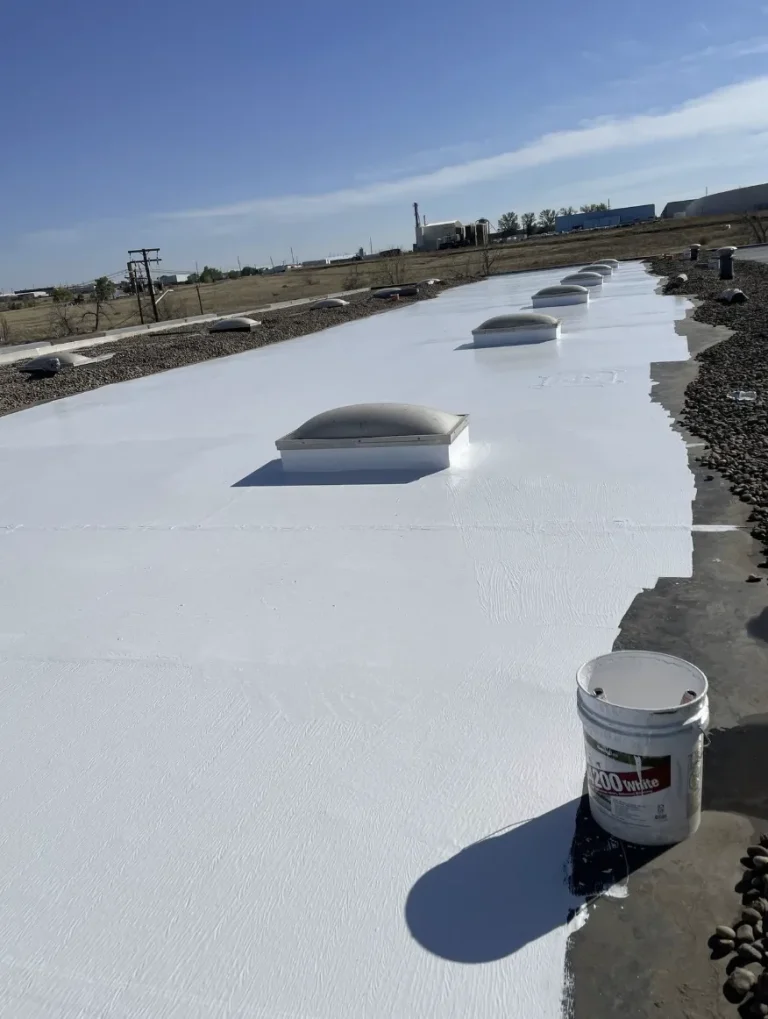
- Skylights intact, with no cracked domes
- Hail dents on equipment and curbs
- Condensate lines draining away from the membrane
6. Interior check
- Ceiling stains or damp tiles
- Rust or staining on the underside of the deck
- Musty odors or mold near the top floor
7. Documentation
- Dated photos of each issue with location notes
- Roof plan marked with problem areas
- Repair history and warranty paperwork on file
- Contractor contact for follow-up
What a Professional Roof Inspection Adds
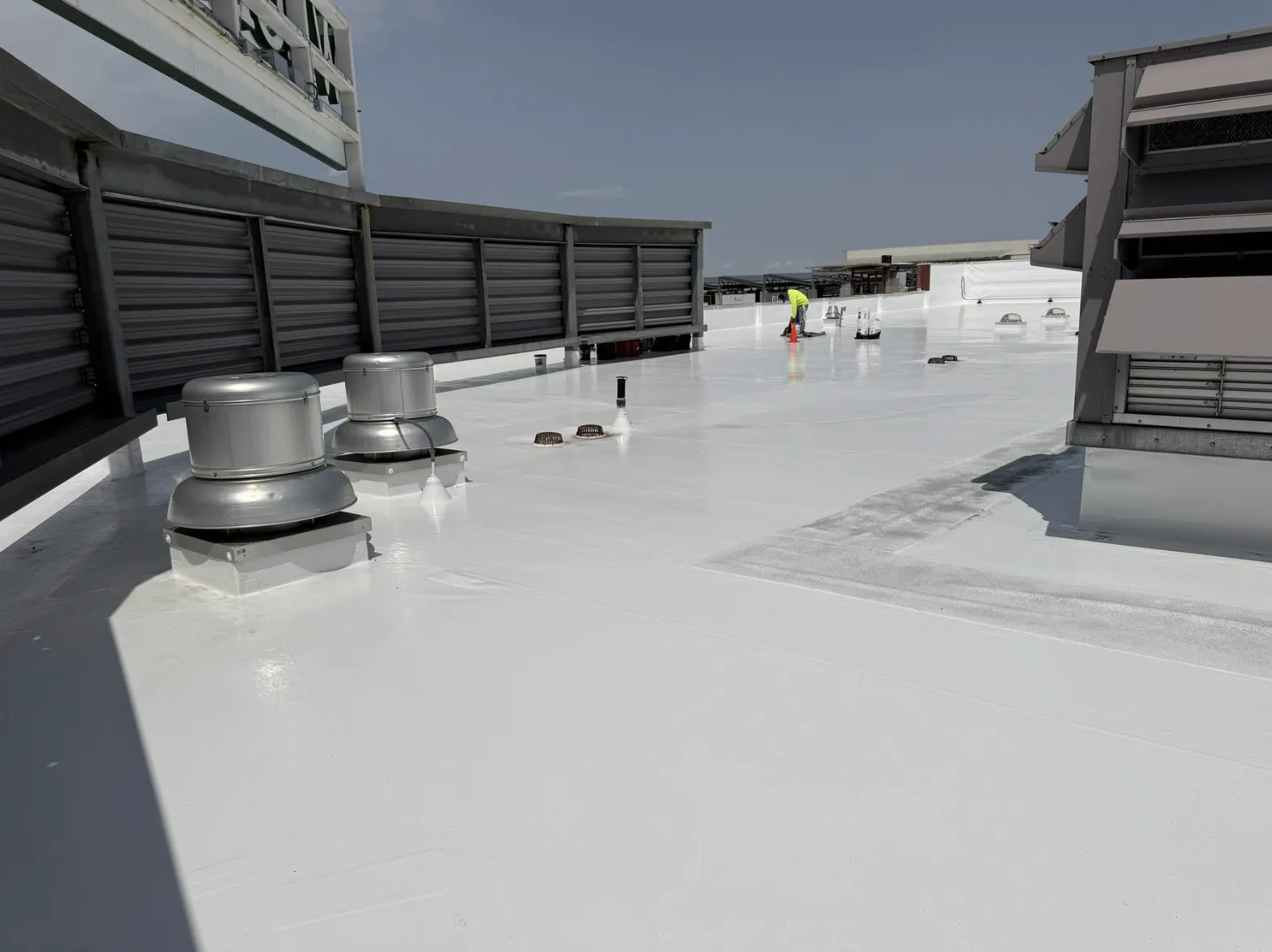
A routine walk catches visible issues. A professional inspection can add:
| Service | What it reveals |
|---|---|
| Infrared moisture survey | Wet insulation that is invisible from the surface |
| Core samples | Roof layers, insulation type, and moisture confirmation |
| Adhesion testing | Whether a coating will bond to the existing surface |
| Written condition report | Photos, priorities, and repair recommendations |
Learn what we cover on our roof inspection page.
What is included in a Colorado Roof Coating Company assessment report: FACT NEEDED: CRCC inspection report contents and moisture survey method – Lorem ipsum dolor sit amet.

What to Do With Inspection Findings
- Sort issues by urgency: active leaks first, then open seams and flashings, then surface wear.
- Schedule repairs quickly, before the next freeze-thaw season. See commercial roof repair.
- Evaluate restoration if the surface is widely worn but the roof is sound. See commercial roof restoration.
- Update your budget with the roof’s condition and expected next steps.
Seasonal Notes for Colorado
- Spring: Check for winter freeze-thaw damage, ice-blocked drains, and early hail season readiness.
- Summer: Inspect after hail. Watch for UV wear on exposed membranes.
- Fall: Clear drains before snow, seal open seams, and complete repairs before freezing temperatures limit some coating work.
- Winter: Monitor snow load and drainage and check interior ceilings after melt cycles.
Common Inspection Mistakes
- Only inspecting after a leak. By then, water may already be in the insulation.
- Skipping the interior. Stains and deck rust often point to problems before they show on the roof.
- Not marking locations. Photos without a location note are hard to act on later.
- Ignoring rooftop equipment. HVAC curbs and condensate lines cause many leaks.
- Letting small repairs wait. A minor seam gap can grow through one Colorado winter.
Building an Inspection Routine Your Team Will Follow
A checklist only helps if it gets used. A few habits make roof inspections consistent across a portfolio:
- Put inspections on the calendar for the same weeks each spring and fall so they are not forgotten.
- Use the same checklist at every building, so results can be compared year to year.
- Store photos and notes in one place that owners, managers, and contractors can all access.
- Rank findings as urgent, plan this season, or monitor, so repairs are budgeted in the right order.
- Share results with ownership in a short summary with photos, which makes approvals faster.
- Review trends annually. If the same area keeps showing up, it may need a larger repair or restoration.
For multi-building portfolios, a consistent routine also makes it easier to see which roofs are aging fastest and where capital will be needed first.
Frequently Asked Questions
What is included in a commercial roof inspection?
A typical inspection covers the roof surface, seams, flashings, drains, penetrations, rooftop equipment, and interior signs of leaks, often with photos and a written report. Some include moisture surveys.
How often should a flat roof be inspected?
At least twice a year, typically spring and fall, and after significant storms or hail.
Can I inspect my commercial roof myself?
Property staff can perform basic visual checks if they are trained and use proper fall protection. A professional should handle moisture surveys and detailed assessments.
What should I do after a hailstorm?
Document the date, check the interior for new leaks, and schedule a professional inspection, even if you see no immediate damage.
Do roof inspections affect warranties?
Many manufacturer warranties require regular maintenance and documentation. Review your warranty terms to confirm.
The Bottom Line
A consistent commercial roof inspection checklist helps you catch small problems early, protect warranty coverage, and keep restoration as an option. Inspect twice a year and after every significant Colorado storm.
Want a professional set of eyes on your roof? Book a Free Roof Assessment. We inspect commercial flat roofs in Denver, Colorado Springs, and across Colorado.
Cited Sources
- National Roofing Contractors Association: https://www.nrca.net/
- NOAA National Severe Storms Laboratory, “Severe Weather 101: Hail”: https://www.nssl.noaa.gov/education/svrwx101/hail/
- Insurance Information Institute, “Facts + Statistics: Hail”: https://www.iii.org/fact-statistic/facts-statistics-hail