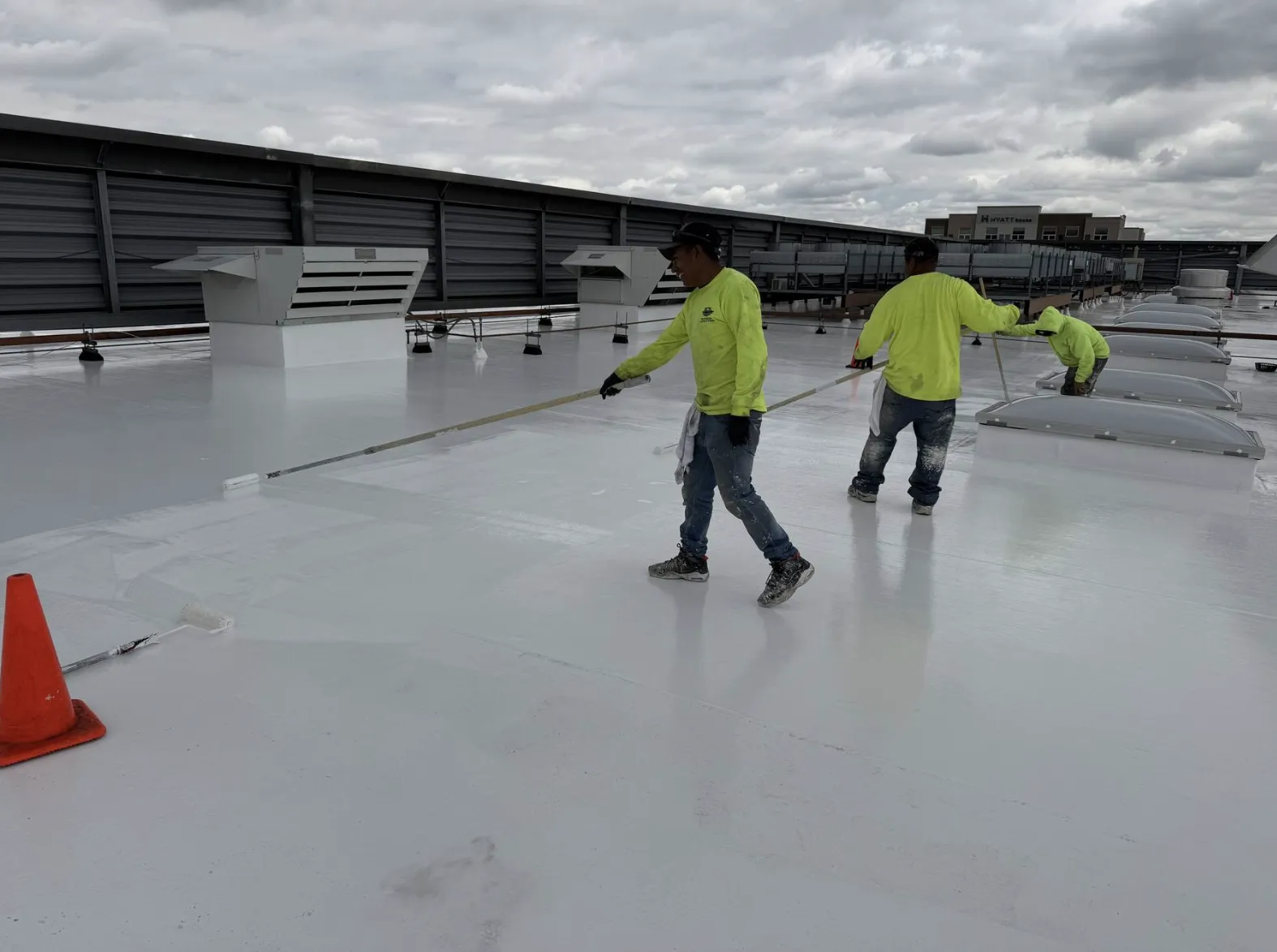
The short answer on silicone vs acrylic roof coating: silicone generally handles ponding water and long UV exposure better, while acrylic is usually easier to recoat, tends to stay cleaner, and is often lower in material cost. Which one fits your building depends on drainage, the existing membrane, foot traffic, and how you plan to maintain the roof.
This guide explains the practical differences for commercial flat roofs and low-slope roofs in Colorado, without the sales pitch.
What Are Silicone and Acrylic Roof Coatings?
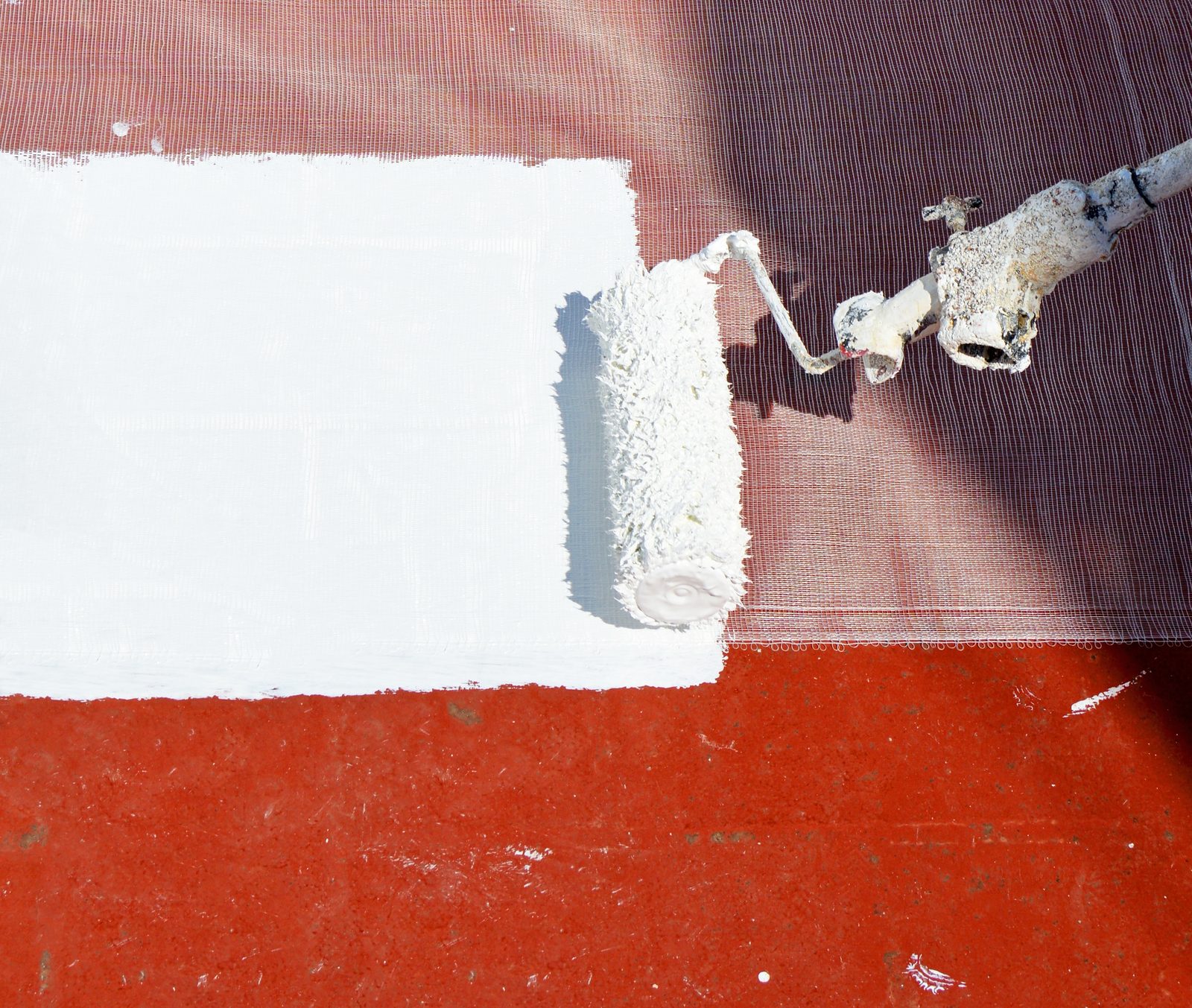
Both are fluid-applied roof coatings that cure into a seamless membrane over a prepared existing roof.
- Acrylic roof coating is water-based. It cures as water evaporates, which means it needs dry weather and temperatures within the manufacturer’s application range.
- Silicone roof coating is typically moisture-cured and high in solids. It is known for resisting UV breakdown and standing water.
Both are commonly sold in white or light colors, which makes them reflective “cool roof” surfaces. The U.S. EPA lists liquid-applied roof coatings with light or cool colors among low-slope cool roof products (EPA).
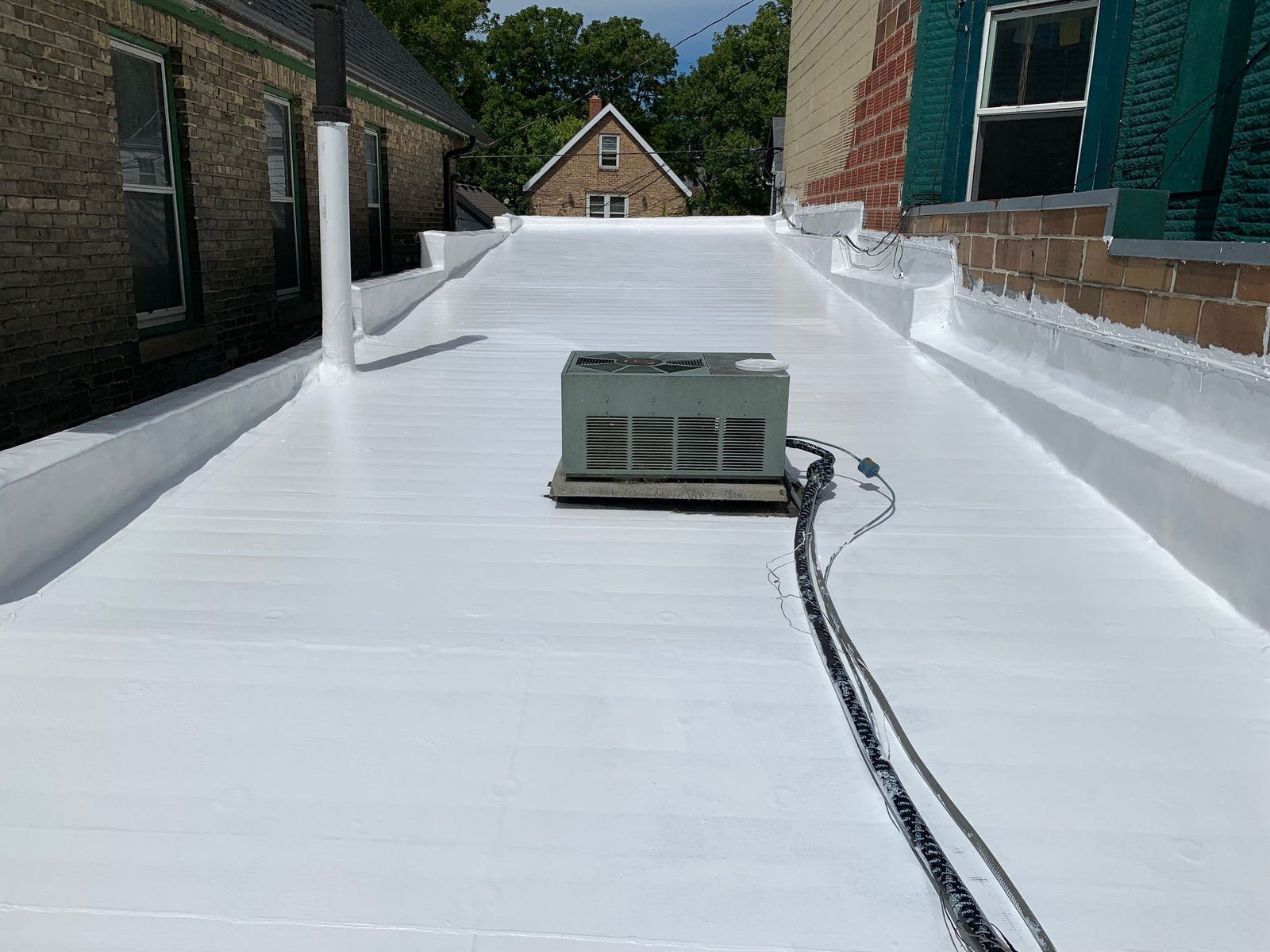
Silicone vs Acrylic: Side-by-Side
| Factor | Silicone | Acrylic |
|---|---|---|
| Ponding water | Generally resistant; often specified where water sits | Generally not recommended for areas that pond |
| UV resistance | Strong | Good; performance depends on thickness |
| Dirt pickup | Can attract dirt, which may reduce reflectivity over time | Tends to stay cleaner |
| Recoating later | Usually requires silicone over silicone | Can be recoated with acrylic more easily |
| Application weather | More tolerant of cooler or humid conditions (per product) | Needs dry weather and adequate temperatures to cure |
| Foot traffic | Can be slippery when wet; walkway pads are common | Varies by product |
| Material cost | Often higher | Often lower |
Always check the specific product data sheet. Performance varies by manufacturer and by the dry film thickness specified for the warranty.
Which Coating Handles Colorado Weather Better?
Denver and the Front Range combine high-altitude sun, sharp day-to-night temperature swings, and frequent hail. NOAA’s National Severe Storms Laboratory notes Colorado is among the states that usually have the most hailstorms (NOAA NSSL).
Some practical takeaways:
- Strong UV: Both chemistries protect the underlying membrane from sun. Silicone is often chosen for long UV exposure.
- Freeze-thaw cycles: Both remain flexible when properly applied. Elongation and tensile values are listed on product data sheets.
- Hail: No coating makes a roof hail-proof. Thickness, reinforcement at seams, and the substrate underneath all matter.
- Short application seasons: Acrylic needs warm, dry days to cure. In Colorado’s shoulder seasons, scheduling matters.
For more detail on climate stress, read our guide to Colorado hail, UV, and freeze-thaw effects on flat roofs.
How Does the Existing Roof Change the Choice?
The membrane under the coating matters as much as the coating itself.
TPO and PVC roofs
Single-ply thermoplastic roofs often need specific cleaning and primers for adhesion. Learn more on our TPO roof coating page.
EPDM roofs
Aged EPDM can chalk and usually needs thorough cleaning and a compatible primer. See our EPDM roof coating page.
Modified bitumen and built-up roofs
Asphalt-based roofs can bleed oils through some coatings, so a bleed-blocking primer is often required. See modified bitumen and BUR coating.
What Drives the Cost?
We do not quote prices in articles because real costs depend on the roof. These are the variables that move the number:
- Coating chemistry and the manufacturer’s required thickness.
- Primer needs based on the membrane.
- Repairs to seams, flashings, and wet insulation before coating.
- Roof size, height, and access.
- Number of penetrations like HVAC curbs, vents, and skylights.
How to Choose: A Quick Checklist
- Does water pond for more than a short time after rain? Lean toward silicone or fix drainage first.
- Will you want to recoat with a different product later? Acrylic offers more flexibility.
- Is keeping the surface bright for reflectivity a priority? Ask about dirt pickup ratings.
- Is the roof used often for maintenance? Plan walkway pads.
- What warranty term and thickness are required? Compare written specs, not brochures.
The coating systems Colorado Roof Coating Company installs: FACT NEEDED: CRCC coating manufacturers and product lines – Lorem ipsum dolor sit amet, consectetur adipiscing elit.
Are There Other Coating Options?
Yes. Urethane coatings are known for toughness and impact resistance and are sometimes used as a base coat with another topcoat. SPF (spray polyurethane foam) systems add insulation and are then protected with a coating. These options are worth discussing for roofs with heavy traffic or insulation goals.
The Roof Coatings Manufacturers Association publishes educational resources on coating types (RCMA), and the Cool Roof Rating Council maintains a directory of rated roof products (CRRC).
Questions to Ask Before You Choose a Coating
Before you sign a proposal for either chemistry, ask the contractor to answer these in writing. The answers make bids comparable and reveal whether the recommendation is based on your roof or on what the installer prefers to sell.
- What membrane is on my roof today, and how was that confirmed? A core sample or test cut is more reliable than a visual guess.
- Where does water pond, and for how long? Ask for the ponding areas to be marked on a roof plan.
- Was an adhesion test performed? Many manufacturers recommend testing the coating and primer on the actual roof before full application.
- What dry film thickness is specified, and does it match the warranty requirement for the product?
- Which repairs are included before coating, such as seams, flashings, drains, and wet insulation replacement?
- What maintenance is required to keep the warranty valid, and who performs it?
- What is the recoat path at the end of the coating’s service life?
Maintenance Differences Over Time
Silicone surfaces can hold dirt, so periodic cleaning may help keep them bright and reflective. Acrylic surfaces can wear thinner over time and are often refreshed with a maintenance recoat. Both systems benefit from inspections in spring and fall and after significant hail, along with prompt repair of punctures and damaged details. Keeping dated photos and repair records also makes warranty conversations much easier.
Frequently Asked Questions
Is silicone better than acrylic roof coating?
Neither is better for every roof. Silicone is usually preferred where water ponds and for long UV exposure. Acrylic is often chosen for lower material cost, cleaner surfaces, and easier recoating.
Can you put acrylic over silicone?
Generally no. Most coatings do not adhere well to cured silicone, which is why silicone roofs are typically recoated with silicone. Confirm with the manufacturer.
Which roof coating is best for ponding water?
Silicone coatings are commonly specified for ponding areas. Correcting drainage is still the best long-term fix.
Can roof coatings be applied in winter in Colorado?
It depends on the product. Acrylics need warm, dry conditions to cure. Some silicones tolerate cooler conditions. Follow the manufacturer’s temperature and dew point limits.
Do white roof coatings save energy?
Reflective coatings can reduce heat gain. The EPA notes buildings with cool roofs use less air conditioning, though results vary by building.
The Bottom Line
The silicone vs acrylic roof coating decision depends on your drainage, membrane, maintenance plans, and budget. Get a professional assessment of the substrate first, then choose the chemistry that fits.
Not sure which coating fits your roof? Book a Free Roof Assessment and we will review drainage, membrane type, and condition with you. Explore our flat roof coating services to learn more.
Cited Sources
- U.S. Environmental Protection Agency, “Using Cool Roofs to Reduce Heat Islands”: https://www.epa.gov/heatislands/using-cool-roofs-reduce-heat-islands
- NOAA National Severe Storms Laboratory, “Severe Weather 101: Hail”: https://www.nssl.noaa.gov/education/svrwx101/hail/
- Roof Coatings Manufacturers Association: https://www.roofcoatings.org/
- Cool Roof Rating Council: https://coolroofs.org/